As we age, it becomes more challenging to manage our weight, and our bodies don't react in the same way to weight loss efforts. Science offers some explanations for this phenomenon.
Even as we continue to exercise frequently and eat the same amount as before, our body’s metabolism slows down our body’s ability to burn fat which inevitably leads to weight gain.
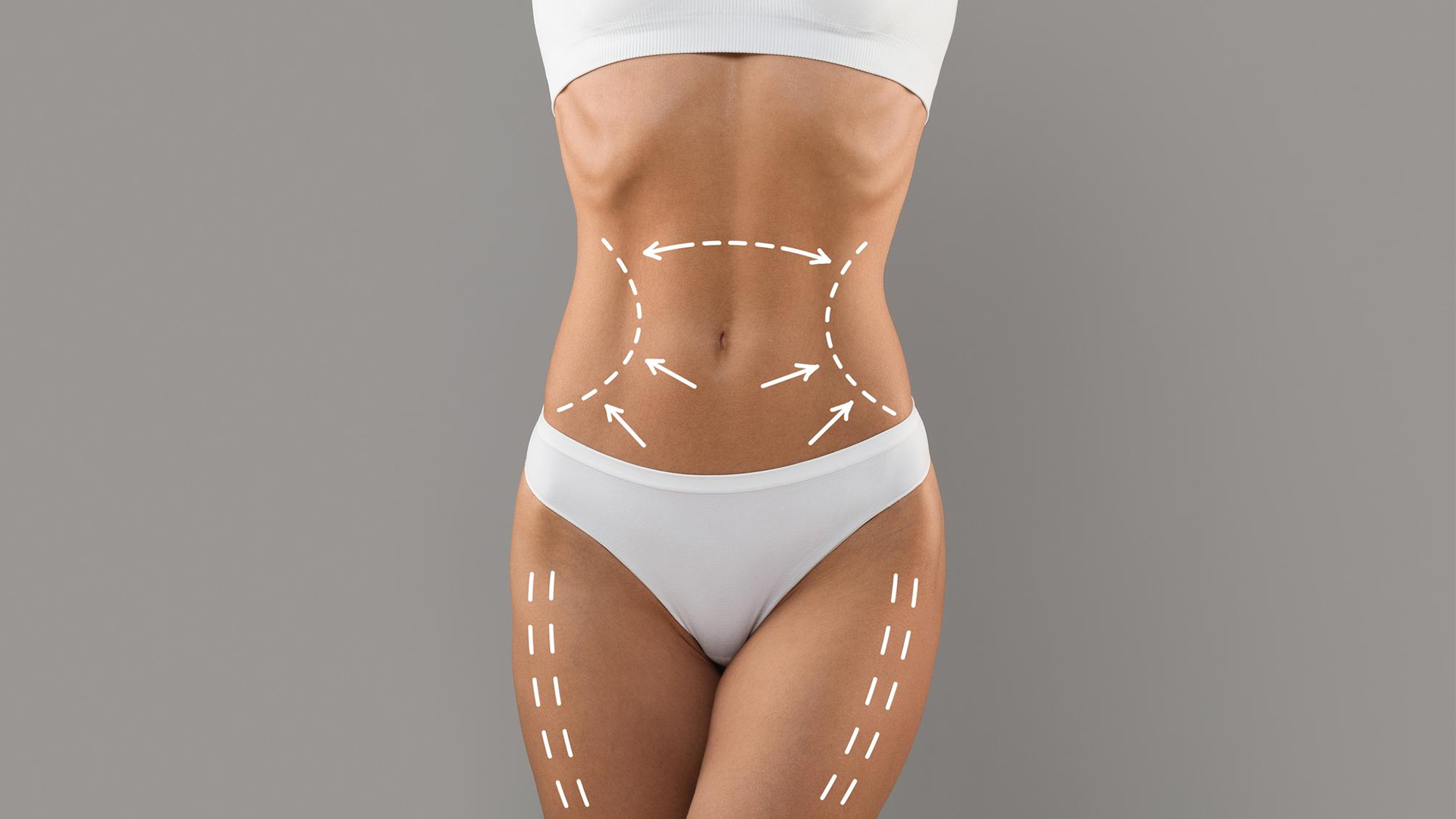
In the quest to age gracefully, saggy or loose skin is a common concern on many people's minds. This natural occurrence is caused by collagen and elastin loss. If you’ve lost weight, you may be left with loose skin because skin expands as the body gains weight.
Hence, people will more often or not encounter the problem of achieving desired weight loss but are left with a new problem, that is saggy loose skin, which can happen almost anywhere on the body.
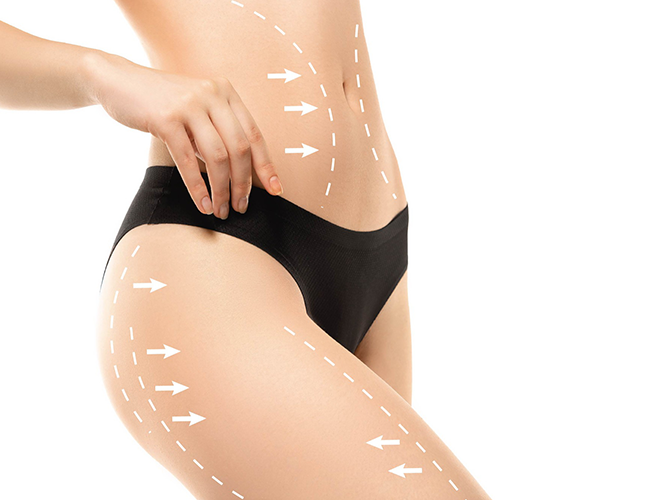
Cellulite refers to the accumulation of fat in pockets just beneath the skin's surface, often found around the hips, thighs, and buttocks. Cellulite can become more visible as you age due to your skin becomes thinner and loses elasticity.
This exposes the rippled connective tissues underneath as it involves fibrous cords that pull the skin to the underlying muscle, with the fat lying between. As fat cells accumulate, they push up against the skin, while the long, tough cords pull down. This creates an uneven surface or dimpling.
A stretch mark is a form of scar that develops when our skin undergoes rapid stretching or shrinking. The abrupt change causes the collagen and elastin, which support our skin, to rupture. As the skin heals, stretch marks may appear.
As such, stretch marks tend to develop during puberty growth spurts, pregnancy, periods of rapid weight loss or gain or rapid muscle growth from weight training. Unfortunately, stretch marks are permanent, but treatment will make them less noticeable.
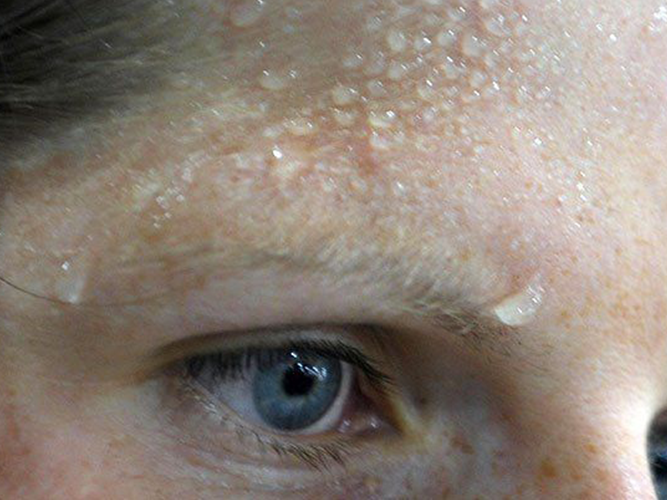
This is a medical condition that causes a person to sweat more than necessary. Yes, it’s necessary to sweat. Sweating cools the body, which prevents us from overheating. People who have hyperhidrosis, however, sweat when the body does not need cooling.
Most often, they sweat from their palms, feet, underarms, or head. While the rest of the body remains dry, one or two areas may drip with sweat. This excessive sweating can interfere with everyday activities as hands can be so sweaty that it becomes difficult to turn a doorknob or use a computer.
Sweat from the underarms often soaks through clothes, causing obvious sweat marks. Because the skin is often wet, skin infections can develop.
Slim and shapely calves complement a smart and trim physical appearance, especially when wearing skirts. Muscular calves can stem from various reasons. Some individuals inherit genetically, while others develop them through exercise and physical activity.
Apart from that, shoulder contouring is also desired amongst women to reduce neck and shoulder tension to provide a slimmer more feminine appearance.
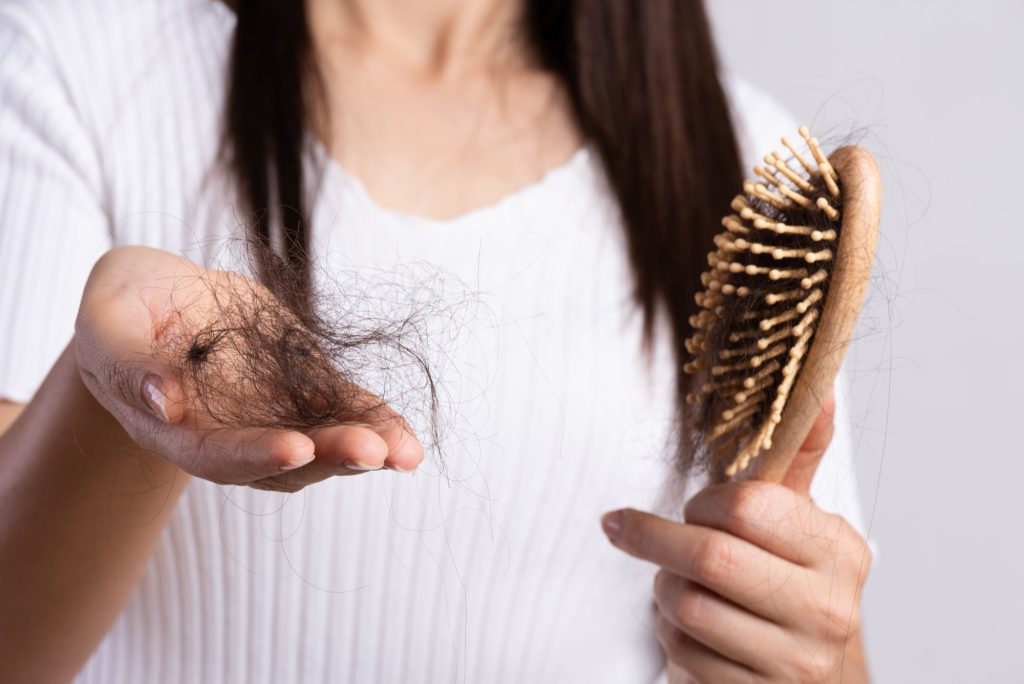
As people age, many notice some degree of hair loss due to a slowdown in hair growth. Eventually, hair follicles cease to produce hair, leading to thinning of the hair on the scalp. Androgenic Alopecia is the most common cause of hair loss, which can affect both women and men. It occurs due to genetic factors that cause hair follicles (what each hair grows out of) to shrink and eventually stop producing hair.
Shrinking can begin as early as teens, but it usually starts later in life. In women, the initial noticeable sign of hereditary hair loss often involves overall thinning or a widening part, whereas, for men, the first sign is often a receding hairline or bald spot at the top of his head.
Everyone has excess hair, some more visible than others. In certain areas, excess hair may affect the overall appearance or be a source of embarrassment.